Veterinary pacemaker implantation is a highly effective treatment for dogs with clinically significant bradyarrhythmias. In this recent case, a canine patient presented with a history of weakness and syncope, and the diagnosis confirmed sick sinus syndrome (SSS) — one of the most common indications for permanent pacing in small animal practice.
Pre-operative Diagnosis: ECG Findings
Pre-operative continuous ECG monitoring revealed severe bradyarrhythmia consistent with sick sinus syndrome:
- Sinus rates as low as 12 bpm
- Sinus pauses / longest RR interval of up to 9.86 seconds
- First-degree atrioventricular (AV) block

Surgical Procedure: Transvenous Pacemaker Implantation
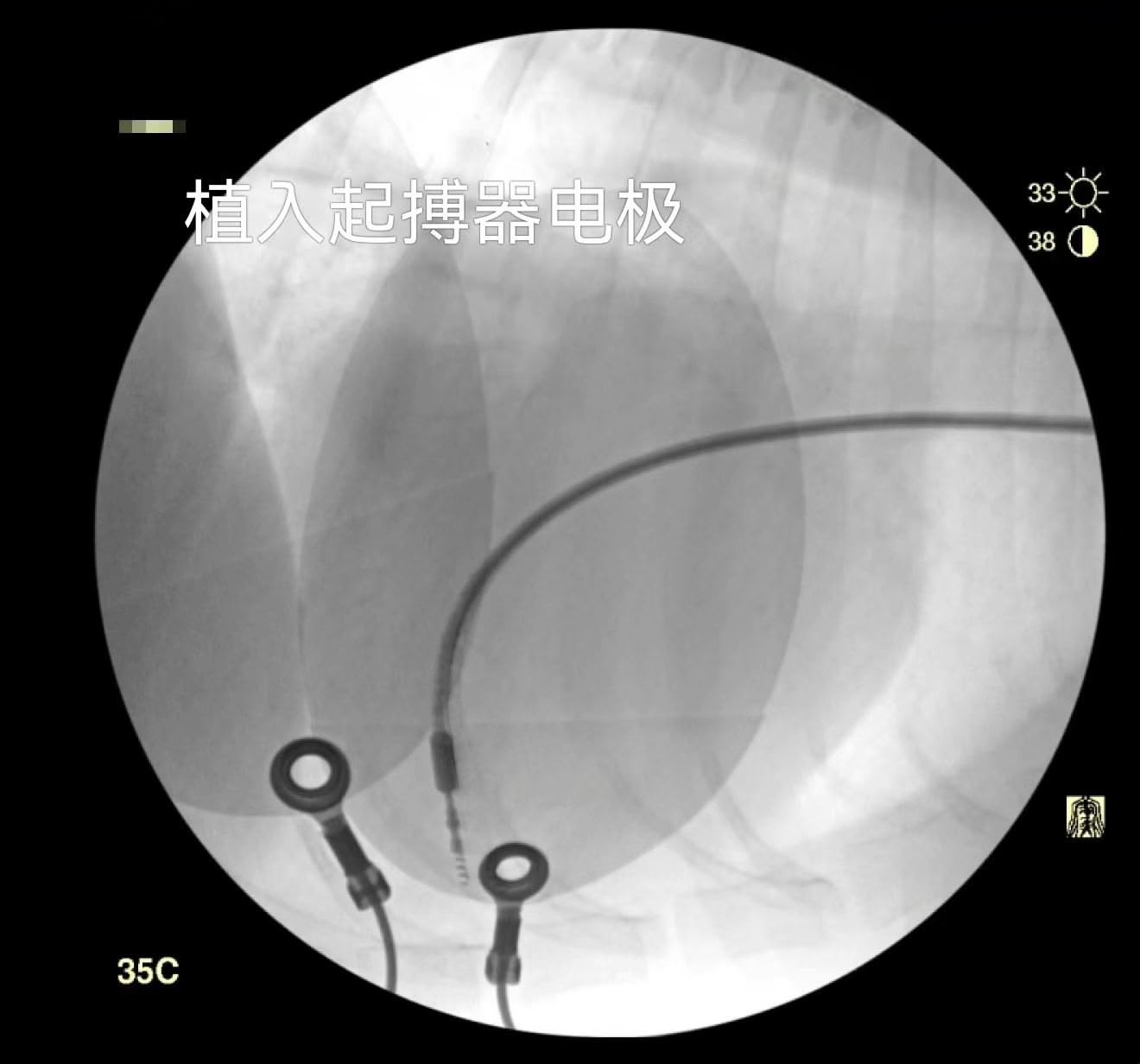
A single-chamber (VVI) pulse generator was implanted using a minimally invasive transvenous approach. Under fluoroscopic guidance, an active-fixation lead was advanced through the jugular vein and secured in the right ventricle. This approach avoids thoracotomy, reduces surgical trauma, and allows a faster recovery compared with epicardial lead placement.
Post-operative Programming and Monitoring
After implantation, pacing parameters (rate, threshold, sensitivity and battery status) were verified and programmed non-invasively. Continuous monitoring showed a stable, well-tolerated paced rhythm and normal vital parameters — the patient's heart rate remained steady throughout recovery.

Recovery
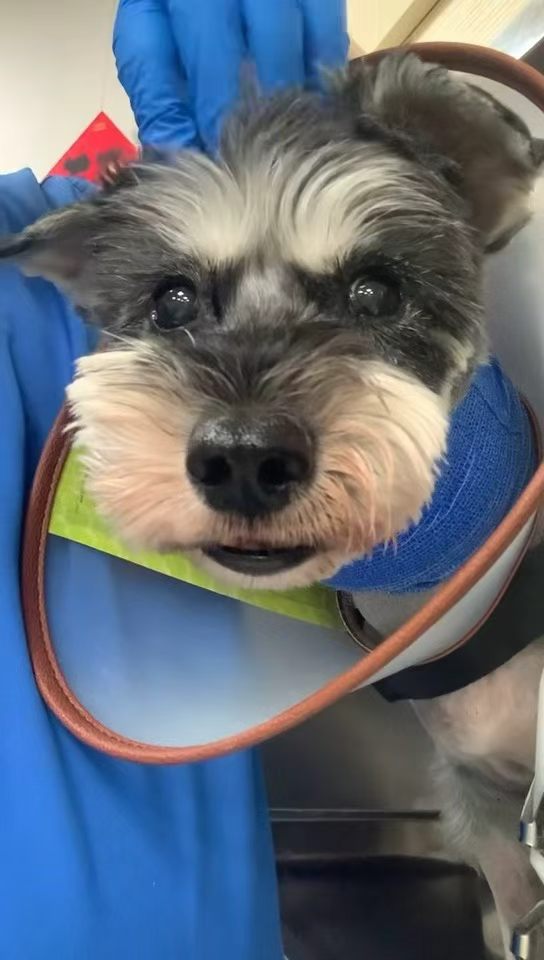
The patient recovered smoothly and was discharged wearing an E-collar to protect the surgical site. At follow-up, lead impedance and sensing values remained within normal limits, confirming stable device performance.
Inside the System: Three Core Components
The pacing solution combines three purpose-built components that are matched to work together — generator, lead and programmer — covering the entire workflow from implantation to long-term follow-up.
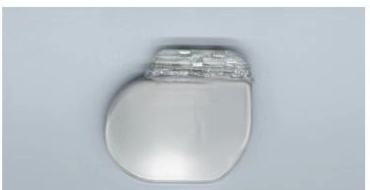
1. Pacemaker — The Pacing Core
- Ventricular on-demand pacing (VVI mode) with precise sensing; paces only when needed to avoid competitive rhythms
- Low-power design delivers long battery longevity and fewer replacement surgeries
- Minimally invasive transvenous (jugular) implantation — small trauma, fast recovery, suitable for dogs and cats of different sizes
2. Pacing Lead — The Key to Stable Conduction
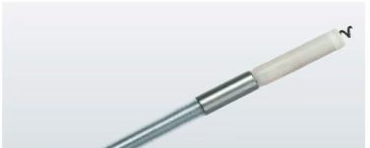
- Active-fixation design with a helical tip that screws into the myocardium — low dislodgement risk, adaptable to complex cardiac chambers
- Steroid-eluting coating suppresses inflammation, lowers pacing thresholds and extends device longevity
- High-biocompatibility materials with strong insulation and sensitive sensing to reduce complications
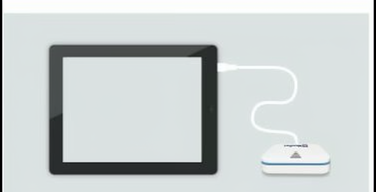
3. Tablet Programmer — Full-Cycle Management
- Wireless, non-invasive adjustment of pacing parameters (rate, threshold, sensitivity and more)
- Real-time monitoring of battery status and lead impedance; captures rhythm data to evaluate therapy outcomes
- Touch-screen operation for outpatient follow-up, intraoperative testing and more — easy for clinicians to learn
Complete Pacing Solution for Veterinary Clinics
One kit, everything matched and ready:
- All-in-one — generator, lead and programmer in a single kit; no extra pairing, saving cost and effort
- Strong compatibility — dedicated component matching for more stable pacing and more precise control
- Full-workflow support — from implantation positioning to post-operative follow-up
- Safe and gentle — minimally invasive implantation plus non-invasive programming reduce stress on the patient
Interested in adding pacing capability to your clinic? Contact our team →